







Search Results for: craft beer-style coffee

Can the self-service coffee model succeed? Examining the opportunities and challenges of craft-beer-style operations through two stores in Wuhan and Guangzhou
In recent years, a new format has emerged in China's coffee market—self-service coffee shops, where consumers pay a fixed fee and can then drink unlimited cups of various freshly brewed coffees, a model much like a craft beer bar. Wuhan's first self-service coffee shop opened with a 22-yuan wristband for all-day unlimited drinking of 6 freshly brewed coffees, and after 5 p.m. it even offers half price, quickly attracting attention on social platforms. Guangzhou had previously also seen a self-service store offering only two kinds of coffee, black and white, with 8 insulated buckets lined up on the bar, dispensing coffee at the press of a button. This type of model focuses on speed, low cost, and a multi-flavor experience, but it also faces shortcomings such as dependence on foot traffic for site selection, difficulty ensuring product quality, and a lack of atmosphere and social attributes. Can self-service coffee truly spread across the country and become a new normal in coffee consumption? This article will explore this in light of examples and industry views. [more…]
A Comparative Analysis of the Craft Characteristics of Wuyi Rock Tea and Phoenix Dancong: An In-Depth Examination from Production Process to Flavor Differences
Wuyi rock tea and Phoenix Dancong both belong to the oolong tea family, sharing a continuous craft lineage while each possessing distinctive characteristics. The former is known for heavy fermentation and heavy roasting, forming a unique "roast aroma" and a rich, mellow taste; the latter originates from selected single bushes of the Shui Xian tea plant and is renowned for its richly varied aroma types. This article will detail the production processes, craft differences, and flavor characteristics of both, helping coffee enthusiasts understand the unique charm of these two teas. Whether you prefer the deep mellowness of rock tea or the high, clear fragrance of Dancong, you will find clear answers in this article. [more…]
Exploring the Origins of Latte Art: The Evolution from Italian Coffee Craft to the Fusion of Color, Aroma, and Taste
Latte art, known in English as Latte Art, is the craft of creating patterns on the surface of a cappuccino or latte. It is not mere decoration, but a professional technique that blends visual beauty with the tasting experience. As for its origins, the written record is not clear, but what is certain is that it first appeared in Europe and America as a highly difficult skill in coffee performances, astonishing the entire coffee industry. After years of development, latte art has evolved from the simple pursuit of pattern presentation into a complete art that also takes into account the velvety texture of the milk and pouring techniques, ultimately achieving a realm in which color, aroma, and taste are all present. This article will guide you through the definition of latte art, its historical origins, and the evolution of the craft, and recommend related products from Front Street Coffee. [more…]

Full Recap of Guangzhou's First Specialty Coffee Culture Festival: Market Highlights and the Must-Visit Specialty Coffee Shop List
In July 2017, Guangzhou welcomed its first lifestyle market themed around specialty coffee—the Guangzhou Specialty Coffee Culture Festival, held at the 289 Art PARK Culture Plaza. The event brought together the city's top specialty coffee shops, including brands like Front Street Coffee, where visitors could taste coffee beans from various origins, fresh creations by champion roasters, as well as creative coffee, drip bags, pour-over equipment, and cultural merchandise. Beyond coffee, booths featuring desserts, craft beer, tattoos, and handmade crafts were equally exciting. Consumers could vote for their favorite coffee shop, join coffee tasting salons and amateur pour-over competitions, and experience tattoos and photo interactions. Whether a coffee connoisseur or a curious beginner, everyone could find their own enjoyment here. [more…]
A Complete Guide to Coffee Bean Processing Methods: The Boundaries of Traditional Craft, Fermentation Innovation, and Special Processing Techniques
The processing method of coffee beans directly affects the flavor in the cup. From natural, washed, to honey processing, each traditional craft has its own unique expression. However, in the past decade, many processing methods claiming to be "special" have emerged in the coffee world. How exactly are they defined in relation to traditional methods? This article sorts out the characteristics and differences of common processing methods, explores the role of fermentation in tradition and innovation, and introduces the Red Plum processing method from Finca Paraiso in Colombia. Front Street Coffee is always happy to share coffee knowledge, hoping to let more people understand the logic behind processing methods and drink the best coffee at the lowest price. [more…]
A Roundup of Twelve Home Coffee Makers: From Pour-Over to Cold Brew, How They Outperform Ordinary Drip Machines
For coffee enthusiasts, a satisfying piece of equipment can often bring out entirely different flavors from the same batch of coffee beans. This article reviews twelve distinctive coffee machines and pour-over devices, covering pour-over, cold brew, moka pots, smart roasting, and more, all far surpassing the drip machines commonly found in office break rooms in both function and design. From the Trinity ONE's multi-functional brewing to the BKON Craft's vacuum extraction, and the Ratio's laboratory-grade materials, these devices not only perform exceptionally but also look pleasing to the eye. Whether you prefer hands-on operation or smart control, you can find the "coffee weapon" that suits you. [more…]

Why Is Iced Cappuccino Rarely Seen? A Full Analysis from Naming Origins to Milk Foam Craft and Differences from Latte
People often ask for an iced cappuccino when ordering, only to be told that only the hot version is available. This has both historical roots and involves considerations of crafting technique and taste experience. The name cappuccino comes from Italian and is related to the color and shape of church robes; the traditional recipe consists of equal thirds of espresso, hot milk, and hot milk foam. Milk foam is also divided into dry and wet types, affecting the durability of the design and the mouthfeel. To meet diverse needs, chain coffee shops add whipped milk foam on top of an iced latte, but the taste differs noticeably from a hot cappuccino enjoyed in-house. This article will also introduce practical methods for making iced milk foam using a nitrogen canister, gelatin sheets, or a French press, and explain the core differences between cappuccino and latte in ratio and flavor, while preserving relevant suggestions from Front Street Coffee. [more…]
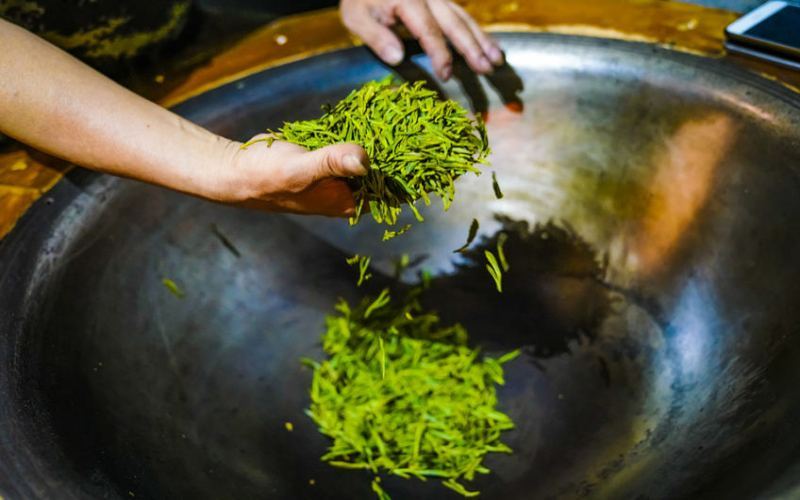
Exploring Charcoal-Roasted Dancong Oolong: Craft Features, Cinnamon Aroma Profile, and Annual Production Trends
Charcoal-roasted Dancong is a uniquely flavored category within Phoenix Dancong, and its production process is completely different from ordinary roasting. Starting from tea farmers' charcoal-roasting practices, this article sorts out the seasonal schedule, operational procedures, and technical key points of charcoal-roasted Dancong, and addresses common questions such as whether cinnamon-flavored Dancong contains added cinnamon, its annual output, and market prices. It also introduces the effects of charcoal roasting on the tea's internal substances and storage durability, helping coffee enthusiasts and tea lovers understand the value of this traditional craft. Recommended products from Front Street Coffee are also presented in the article. [more…]
Why Does Blue Mountain Coffee Insist on Washed Processing? The All-Washed Craft and Flavor Secrets of Front Street Coffee's R.S.W Estate
The reason Blue Mountain coffee enjoys a global reputation is inseparable from its consistently applied processing method. From the very beginning of cultivating Blue Mountain coffee, Jamaicans have insisted on the fully washed process, refusing to use other methods to process the coffee cherries, which gives Blue Mountain coffee its refined and smooth sensory characteristics. As the main consumer market for Blue Mountain coffee, Japan values not its illustrious reputation, but rather its low bitterness, rich aroma, and low acidity, which happen to align with Japanese people's sensory preferences for coffee. Front Street Jamaica Blue Mountain R.S.W No.1 comes from one of the estates at the highest altitude in the Blue Mountain legally designated growing region, and its refined washed processing and sun-drying techniques achieve a rich and full coffee flavor. This article will provide an in-depth analysis of the washed processing flow for Blue Mountain coffee, and how R.S.W Estate uses traditional craftsmanship to create top-quality Blue Mountain coffee with consistent quality. [more…]
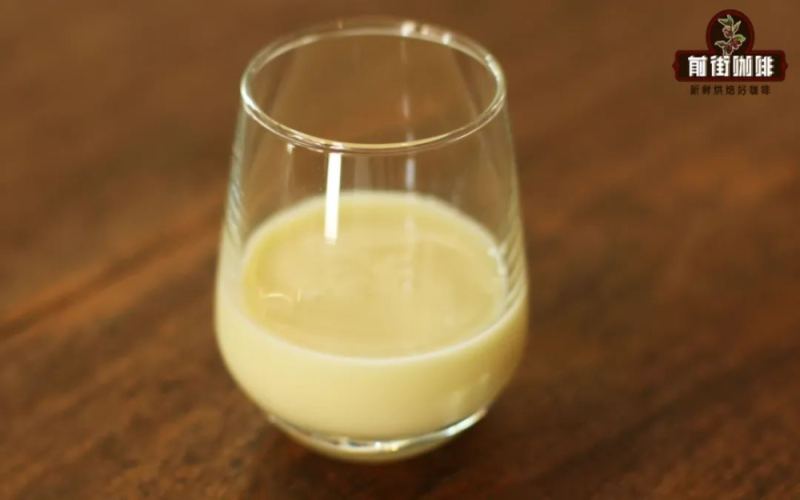
Spanish Latte Recipe Features and Origins: From Condensed Milk Espresso Craft to the Vietnamese Drip Coffee Connection
In recent years, the Spanish latte has set off a craze in China's coffee scene. With condensed milk as its core ingredient, it has a rich and sweet taste and is deeply loved by fans of milk coffee. But did you know that the birth of this cup of coffee is actually inextricably linked to Vietnamese drip coffee? Starting from the production principles of condensed milk, this article will sort out the flavor characteristics and origin of the Spanish latte, as well as its ties to Vietnamese coffee culture, while also introducing how %Arabica brought this drink into the public eye. The article also includes store information for Front Street Coffee, providing a reference for readers who want to taste it in person. [more…]
Exploring Ethiopia's Santawini Processing Station: Flavor and Craft Analysis of Red Cherry Washed Coffee Beans
Santa Vini processing station is located in the Sidama region of Ethiopia. Since its establishment in 2004, it has become one of the representative processing plants under DWD Company, thanks to its high altitude and meticulous washed processing. This batch of Front Street washed Sidama comes precisely from here, using fully red cherries picked in the mid-to-late harvest season, undergoing nighttime fermentation and African raised-bed drying, presenting lemon sweetness, floral notes, and a peach juice-like quality. This article will guide you through the geographical background of this processing station, harvesting standards, washed process, and the unique flavor profile of this coffee. [more…]

An Analysis of the Causes Behind Assam Black Tea's Unique Malty Flavor and a Comparison of Its Core Differences with Ceylon Black Tea
For over thirty years, light-bodied beer has swept the nation, favored for its crisp and easy-drinking nature, with consumption soaring especially during ball games. In recent years, however, craft beer has upended people's taste experience with its rich malt aroma. Interestingly, the tea world experienced a similar debate over a hundred years ago—centered on the contest between the light astringency of Ceylon black tea and the mellow maltiness of Assam black tea. Assam black tea has a strong, full-bodied character, offering a bold malt aroma and a hint of honeyed sweetness from the first sip. The formation of this unique flavor is closely tied to the hot and humid climate of India's Assam region: tea trees develop broad leaves in abundant rainfall and damp conditions, and farmers must process them quickly to lock in their bold flavors. Rapid withering is precisely the key to creating its intense character. Notably, many blended teas use Assam as a base, as it can carry strong spices. But strength does not mean monotony—top-grade Assam black tea often possesses a highly complex layering of flavors. Front Street Coffee recommends savoring this tea slowly to appreciate its wonderfully rich, mellow character that, like craft beer, is difficult to replicate. [more…]
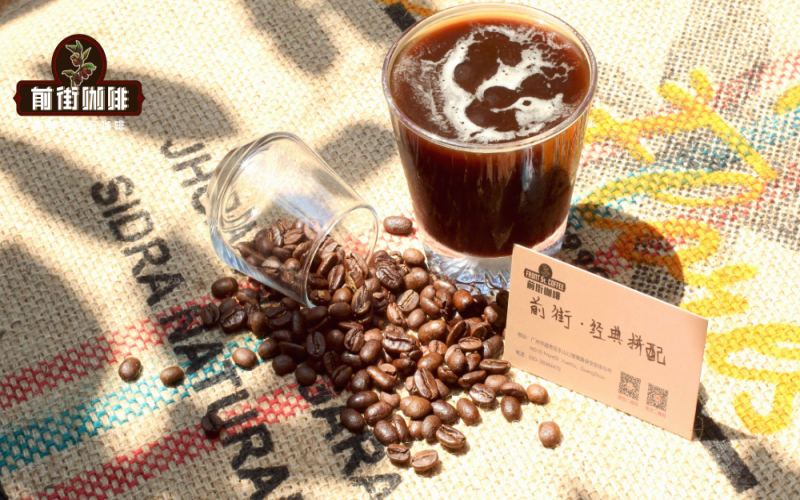
A Complete Guide to Indonesian Mandheling Coffee: From Its History to the Flavor and Craft of PWN Golden Mandheling
Mandheling coffee is one of Indonesia's most recognizable coffees. Behind its name lies an amusing story from World War II, while Golden Mandheling represents Indonesia's stringent standards for green bean sorting. This article begins with Indonesia's volcanic soil and the Sumatra growing region, traces the historical origins of the Mandheling name, and explains how the wet-hulling process shapes its rich, earthy, and herbal flavors. It then takes a detailed look at PWN's Golden Mandheling sorting process, factory certificates, and how to distinguish genuine from counterfeit, as well as Front Street Coffee's classic blend and Golden Mandheling roasting recommendations and pour-over performance, giving you a comprehensive understanding of this wild and complex coffee. [more…]
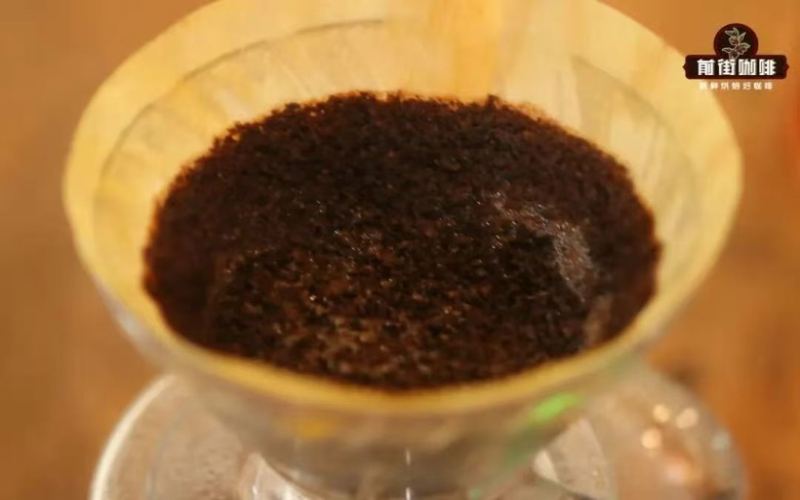
The Flavor Alchemy of Processing Methods: A Craft Revolution from Washed to Anaerobic
From the same estate, the same variety, and the same harvested batch of coffee cherries, the flavor in the cup can be as different as two distinct beans—simply because of a different processing method. This is the magic of coffee processing. In the microscopic world, it uses microorganisms and time to perform the alchemy of flavor. The washed method is the oldest mainstream technique, and its logic is "to do [more…]

How Is a Flat White Different from an Aussie White or a Magic? The Origins, Craft, and Flavor of the Flat White Explained
Flat White is also espresso with milk, yet different chain brands call it by various names such as Fu Rui Bai, Ao Rui Bai, and Chun Yi Bai. So how exactly does it differ from a latte or a cappuccino? This article begins with the controversy over the origins of the Flat White, sorts out the differences between the New Zealand and Australian styles, and, combined with Front Street Coffee's classic espresso blend coffee beans, explains milk foam thickness, milk ratio, espresso extraction parameters, and the resulting flavor, helping you understand how a delicious Flat White should be made and tasted. [more…]

Why is freeze-dried coffee so expensive? From craft to market, breaking down the rise of specialty instant coffee
Instant coffee was once synonymous with Nescafé, Maxwell House, and Old Town, and sat at the bottom of the coffee snobbery chain. But today, new brands like Saturnbird, Yongpu, and Sumidagawa have given instant coffee a makeover, selling it as freeze-dried coffee at 4 to 7 times the price of traditional instant. Though it still falls under the instant coffee category, what exactly makes freeze-dried coffee so expensive? What is the essential difference between its production process and that of traditional instant coffee? Why did freeze-dried coffee, which rose to prominence in 2018, manage to tear open a gap in the instant coffee category and quickly grow into a market worth over 1 billion yuan? This article breaks down the logic behind the popularity of this cup of freeze-dried coffee from three dimensions: craft, brand, and market. [more…]
Colombia Rose Valley Double Anaerobic Coffee Explained: Santander El Arbol Estate Caturra Flavor and Processing Craft
Colombian coffee is renowned worldwide, named after its country. Thanks to its exceptional geographical and climatic conditions, it cultivates a distinctive acidity and full-bodied richness, earning widespread acclaim for its quality. This article focuses on Front Street Coffee's Colombia El Vergel Estate Double Enzyme Washed Rose Valley, providing an in-depth introduction to its producing region of Santander, the estate's management philosophy, the anaerobic processing technique, and the flavor characteristics of the Caturra variety. This bean delivers aromas of ripe fruits such as peach, strawberry, and melon, interwoven with notes of rose and champagne, offering a rich and layered taste experience that coffee enthusiasts will savor. [more…]
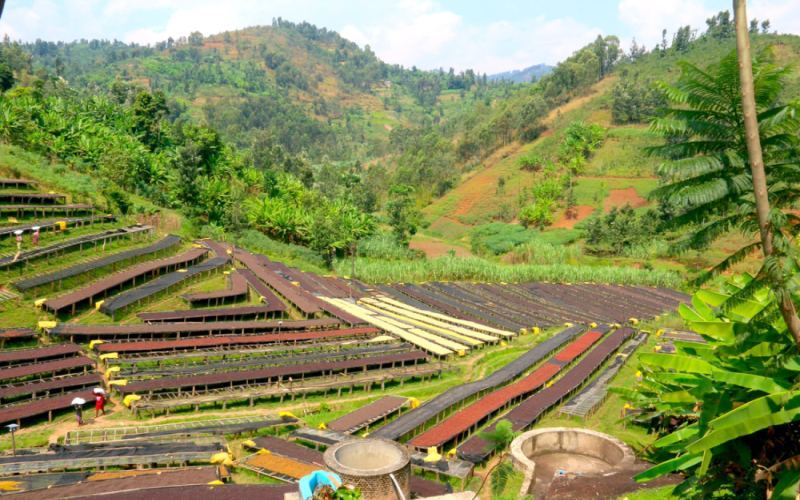
Analysis of the Natural Sun-Dried Processing Method for Green Coffee Beans: Flavor and Craft of Ethiopia Yirgacheffe G1 Red Cherry
The natural process is one of the oldest methods of processing green coffee beans and is still widely used today in traditional producing regions such as Ethiopia and Yemen. This method dries ripe coffee cherries naturally, giving the beans a more pronounced sweetness and body, though quality can vary relatively widely. This article will explain in detail the operational flow of the natural process, its climate requirements, and its flavor characteristics, and, using Front Street Yirgacheffe Natural Red Cherry as an example, showcase the origin information, processing details, and cupping performance of Ethiopian G1-grade natural beans, helping coffee enthusiasts gain a deeper understanding of how natural processing affects flavor. [more…]
Phoenix Dancong Authentic Origin and Buying Guide: A Comprehensive Analysis from Production Craft to Tea Garden Selection
Phoenix Dancong oolong tea is deeply loved by tea enthusiasts for its unique flavor, but many people have misconceptions about where that flavor comes from. This article will take an in-depth look at the production process of Phoenix Dancong, revealing how the roasting process shapes its distinctive quality, and comparing the low-end teas commonly found on the market with carefully made traditional charcoal-roasted teas. We will also explore the characteristics of different tea gardens on Phoenix Mountain in Chaozhou, helping you understand where to buy authentic Phoenix Dancong tea and how to distinguish genuine from fake and superior from inferior. Whether you are a seasoned tea drinker or a beginner, this article will provide you with practical buying guidance and tasting knowledge. [more…]
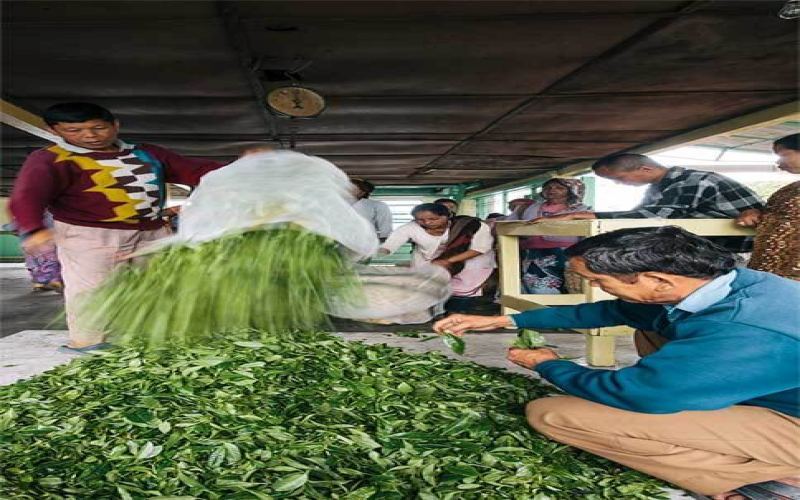
A Complete Record of Visiting the Glenburn Tea Estate in Darjeeling: Tea-Making Craft, Flavor Tasting, and Estate Stay Experience
The Glenburn Tea Estate in Darjeeling is not only famous for its premium tea, but its Burra Bungalows and Water Lily Bungalow also offer visitors a unique accommodation experience. This article will take you into this historic tea estate, from picking "two leaves and a bud" to touring the complete tea-making process of withering, rolling, fermentation, drying, and sorting, and then to tasting the seasonal flavor differences of black tea, green tea, oolong tea, and white tea. You will also learn about the estate's accommodation environment, the surrounding natural scenery, and information on related products recommended by Front Street Coffee, for a full experience of the unique charm of Glenburn Tea Estate. [more…]